From Sarajevo to Mostar and Tuzla, a new international mission to build stronger ties
with universities, civil society organisations and institutions working towards dialogue and reconciliation.
At its heart: creating new opportunities for young people
and extending the reach of the Rondine Method across the Balkans
Strengthening long-standing relationships, developing new partnerships and opening up further educational opportunities for young people. These were the key objectives of Rondine Cittadella della Pace’s latest mission to Bosnia and Herzegovina, which took place from 1 to 8 October 2026, with visits to Sarajevo, Mostar and Tuzla.
Led by Benedetta Merlino from Rondine’s International Relations Office, the mission forms part of the organisation’s ongoing engagement with the country. It follows a previous visit in March, focused on selecting candidates for the World House programme.
This time, Rondine expanded its activities beyond the capital, meeting organisations, universities and community representatives across different parts of Bosnia and Herzegovina.
The mission also laid the groundwork for the next World House call for applications, helping to raise awareness of the Rondine Method and reach more young people interested in an international educational experience centred on the creative transformation of conflict.
Sarajevo: connecting institutions, culture and human rights
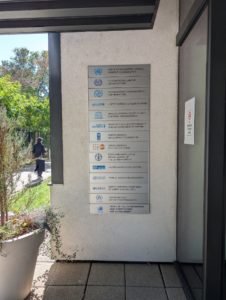
The mission began in Sarajevo, where Rondine met with the Youth Focal Point of the United Nations Development Programme (UNDP) and Claudia Zini, founder of KUMA International, an organisation working to foster reconciliation through art and culture.
The programme also included a meeting with the Global Campus of Human Rights , occasion of discussion on human rights and democratisation.
These meetings offered valuable opportunities to explore shared priorities and potential areas of cooperation, with particular emphasis on the role young people can play in building societies capable of addressing conflict without resorting to violence.
Mostar: building relationships where dialogue remains essential
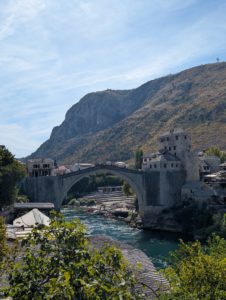
The mission continued to Mostar, a city whose history remains closely intertwined with the challenges of reconciliation in Bosnia and Herzegovina.
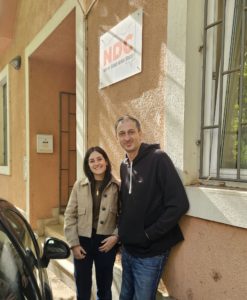
Here, Rondine met Vernes Voloder, Project Manager at the Nansen Dialogue Center, an organisation with extensive experience in promoting interethnic dialogue and strengthening relationships between communities.
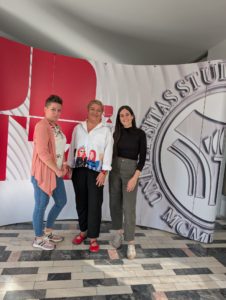
Further discussions took place at Džemal Bijedić University, focusing on potential academic partnerships and opportunities to promote future applications to the World House programme.
Engaging with universities is a key part of Rondine’s strategy to make its educational programmes more accessible and establish lasting connections with younger generations throughout the region.
Tuzla: empowering young people through education and civic engagement
The final stage of the mission took Rondine to Tuzla, where a series of meetings brought together academic institutions and civil society organisations committed to democratic participation, dialogue and community development.
At the International University of Tuzla, discussions with Selma Ćebić Babajić and Vice-Rector for International Relations Vesna Bratovčić explored potential cooperation in education and international opportunities for students.
Rondine also met Miralem Tursinović from the Omladinski Resursni Centar (ORC), an organisation supporting youth engagement and participation; Vehid Šehić, President of Forum Građana Tuzle; and representatives of the Tuzla Community Foundation, which works to strengthen local communities through civic participation and support for youth-led initiatives.
Although working in different fields, these organisations share a commitment to enabling young people to play an active role in shaping their communities and contributing to democratic development.
A growing international network
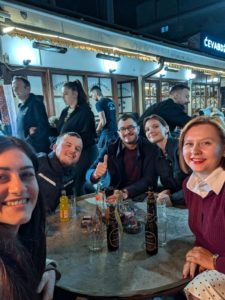
The mission also provided an opportunity to reconnect with Rondine alumni living in the country.
Known as Rondini d’Oro, former World House participants remain part of an international network that continues to promote dialogue and the creative transformation of conflict long after their experience in Italy has ended.
This enduring connection reflects one of the defining characteristics of Rondine’s educational approach: the journey does not end when participants return home. Instead, it continues through the relationships they build, the initiatives they develop and the responsibilities they take on within their communities.
Rondine’s return to Bosnia and Herzegovina therefore represents another step towards strengthening its presence across the Balkans, developing sustainable partnerships and expanding access to educational experiences rooted in dialogue, mutual understanding and conflict transformation.
Because building peace also means creating real opportunities for a new generation to take the lead.